Urban Planning and Real Estate Development in 2026: Smart Cities and Future Growth
Urban planning has undergone significant evolution over the years, shaped by various factors including societal needs, technological advancements, and environmental considerations. Traditionally, urban planning models focused predominantly on zoning regulations and land use, with an emphasis on the separation of residential, commercial, and industrial areas. Such models aimed to create organized urban spaces but often overlooked the complexities of human interaction and environmental sustainability.
CONTRACTSAPARTMENT TYPESPRIVATE POOLS & AMENITIESINVESTMENT PROPERTIESRESORT-STYLE COMMUNITIES
4/6/20265 min read

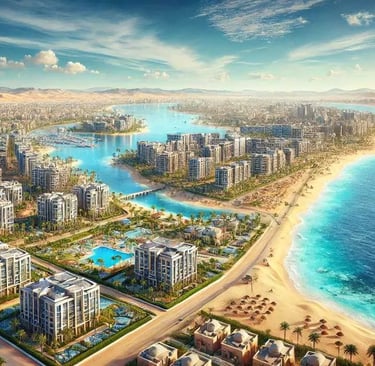
The Evolution of Urban Planning
Urban planning has undergone significant evolution over the years, shaped by various factors including societal needs, technological advancements, and environmental considerations. Traditionally, urban planning models focused predominantly on zoning regulations and land use, with an emphasis on the separation of residential, commercial, and industrial areas. Such models aimed to create organized urban spaces but often overlooked the complexities of human interaction and environmental sustainability.
In the late 20th century, a paradigm shift occurred as urban planners began to recognize the importance of sustainable practices. This new focus was largely driven by increasing environmental awareness and the limitations of traditional models. Planners started integrating green spaces, promoting public transportation, and considering the ecological impacts of development. The adoption of sustainability principles marked a critical point in urban planning, aiming to balance the built environment with the natural world.
As we moved into the 21st century, the concept of smart cities began to gain traction. The rise of advanced technologies—such as the Internet of Things (IoT), big data, and artificial intelligence—allowed for a more integrated approach to urban development. Smart cities leverage these technologies to improve urban living conditions, enhance resource management, and foster economic growth. This evolution reflects the adaptation of urban planning to accommodate the needs of growing populations while addressing global challenges such as climate change and resource scarcity.
Factors such as demographic shifts, including urbanization and migration, have also significantly influenced urban planning dynamics. By 2026, urban planners are expected to further embrace technological solutions and sustainable practices, creating more resilient and adaptable city infrastructures. Anticipated trends indicate a continued prioritization of livability, environmental stewardship, and community engagement. These emerging strategies will ultimately redefine urban landscapes, responding to the complexities of modern challenges and opportunities.
Smart Cities: Definition and Components
A smart city is often characterized as an urban area that employs digital technology and data-driven insights to enhance the quality of life for its inhabitants, optimize urban services, and promote sustainable growth. The fundamental components of a smart city involve various interconnected systems that utilize data from a range of sources, allowing for efficient urban management and improved service delivery. At the core of this concept lies the integration of the Internet of Things (IoT), where devices such as sensors and cameras collect real-time data vital for decision-making processes.
Data plays a pivotal role in the infrastructure of a smart city, facilitating the management of resources such as transportation, electricity, water supply, and waste disposal. For instance, smart traffic systems utilize data analytics to monitor traffic patterns, making adjustments to traffic signals to alleviate congestion. This not only streamlines vehicular movement but also significantly reduces emissions, contributing to a greener urban environment.
Connectivity is paramount in smart city development, as it ensures seamless communication between IoT devices and urban management platforms. High-speed internet access and wireless networks allow citizens and infrastructure to engage with services more efficiently. Public Wi-Fi networks, for instance, can provide residents access to information and services quickly, fostering a more informed and engaged populace.
The benefits of implementing a smart city framework extend beyond convenience; they encompass improved public services, enhanced environmental sustainability, and a better quality of life for all residents. By prioritizing the use of technology and data, smart cities can address challenges such as urban sprawl, resource management, and economic inequality, ultimately fostering an inclusive urban landscape that responds to the needs of its citizens.
The Future of Real Estate Development in a Smart City Era
The evolution of real estate development within the framework of smart cities has ushered in significant transformations. As cities become more technologically integrated, the demands of consumers and investors are rapidly changing, necessitating a re-evaluation of traditional real estate practices. In this new environment, stakeholders are leaning toward sustainable building practices that not only meet regulatory standards but also align with the growing consumer preference for green living solutions.
Developers are increasingly integrating advanced technologies into their projects, which enhances energy efficiency and improves residents' quality of life. For instance, smart technologies such as IoT devices can monitor energy consumption and optimize resource use, leading to reduced utility costs and fostering a sustainable lifestyle. These innovations appeal to a demographic that is becoming more environmentally conscious, making eco-friendly properties more attractive to potential buyers and renters.
However, the path forward is not without its challenges. Real estate developers often confront regulatory hurdles that can slow down project timelines and escalate costs. Local governments may impose stringent regulations on building practices, zoning laws, and environmental assessments, complicating the development process. Additionally, securing financing for innovative smart city projects is becoming an increasingly competitive landscape, as investors seek assurances on the viability and profitability of these developments.
Moreover, community engagement plays a crucial role in the successful execution of real estate projects within smart cities. Developers must work closely with local residents and stakeholders to ensure that the needs and preferences of the community are met. Case studies of successful smart real estate developments, such as the development of the Venn District in Amsterdam, serve as practical insights. These projects demonstrate the importance of integrating community feedback into the planning process while showcasing the potential for smart technologies to create vibrant, sustainable urban environments.
Challenges and Opportunities Ahead
As urban planners and real estate developers approach the year 2026, they are faced with a complex array of challenges and opportunities in the context of creating smart cities. One of the foremost challenges lies in securing adequate funding for smart city initiatives. Traditional funding mechanisms are often insufficient to cover the high costs involved in advanced technology integration, sustainable infrastructure development, and the overall transformation of existing urban landscapes. Thus, innovative financing models, such as green bonds and impact investing, are emerging as viable alternatives to support these initiatives.
Additionally, collaboration between public entities and private enterprises is essential for the successful realization of smart city projects. Public-private partnerships (PPPs) can provide the necessary resources, expertise, and efficiency that urban development requires. However, navigating the complexities of such collaborations necessitates clear communication, mutual governance, and aligned objectives among various stakeholders, which can sometimes be elusive.
Another crucial element in the urban planning discourse is the need for adaptive policy frameworks. Policymakers must be flexible and responsive to the rapidly evolving trends in technology and urbanization, with an emphasis on integrating new technologies while also addressing regulatory and social concerns. Inclusivity and public participation are paramount, ensuring that different demographics are not only represented but also actively involved in the decision-making processes that affect their communities. This participatory approach fosters trust and enhances social equity.
Looking towards the urban landscape in 2026 and beyond, it is anticipated that the interplay of these challenges and opportunities will shape the future of cities. The potential benefits of smart city initiatives could lead to enhanced quality of life, increased sustainability, and improved resource management. However, achieving these outcomes will require concerted efforts from planners, developers, and the community, ensuring that growth is equitable and inclusive for all residents.
Discover how urban planning shapes real estate opportunities—start exploring now!