The Pros and Cons of Living in a Studio, One-Bedroom, or Two-Bedroom Apartment
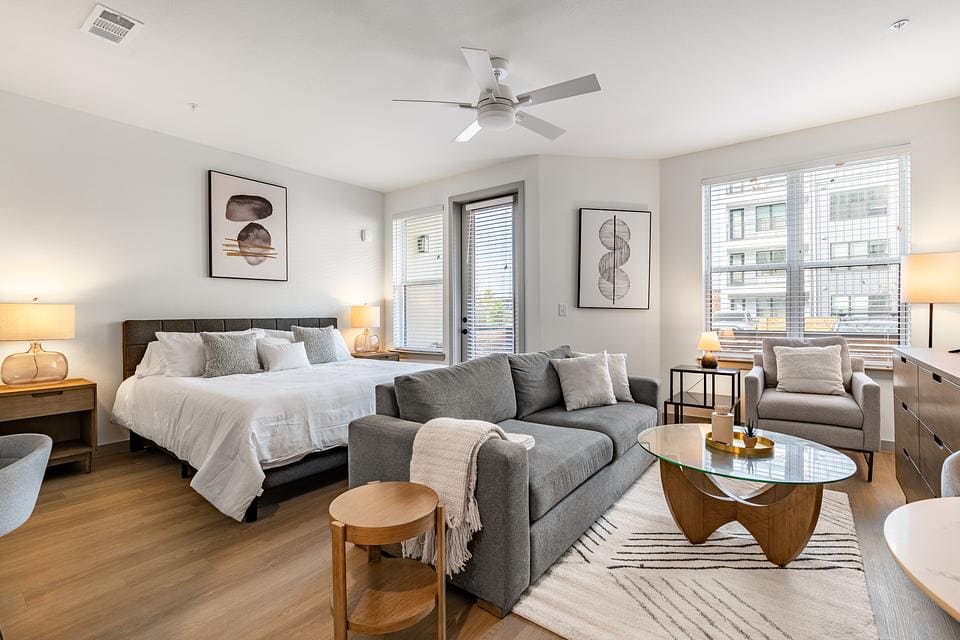
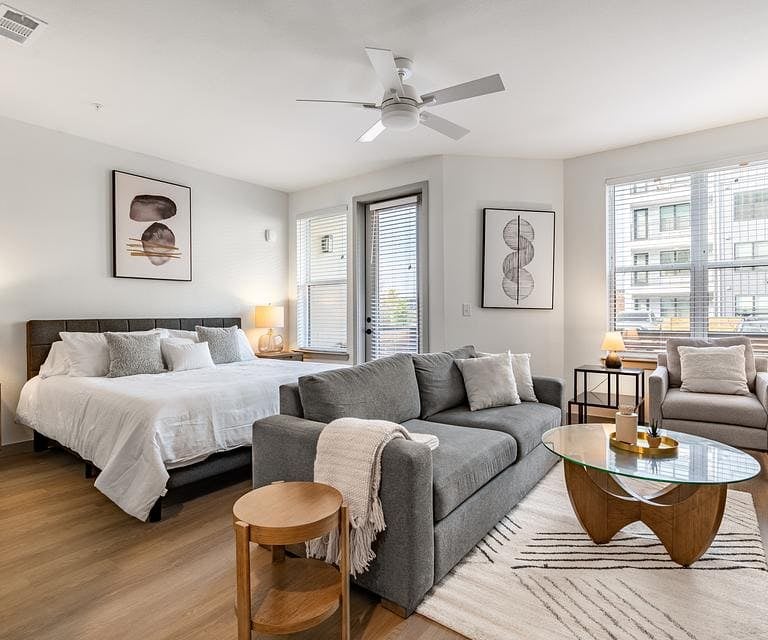
Studio apartments represent a unique living arrangement characterized by their open layout, which seamlessly integrates the living, sleeping, and kitchen areas into one cohesive space. This compact design is particularly appealing to individuals and couples seeking a minimalistic lifestyle, as it fosters a sense of efficiency and simplicity. The primary advantage of residing in a studio apartment is affordability; these units are generally less expensive to rent or purchase compared to larger apartments or homes. This financial benefit makes them an attractive option for students, young professionals, and individuals with a limited budget.
CONTRACTSPRIVATE POOLS & AMENITIESAPARTMENT TYPESINVESTMENT PROPERTIESRESORT-STYLE COMMUNITIES
3/30/20265 min read
Understanding Studio Apartments
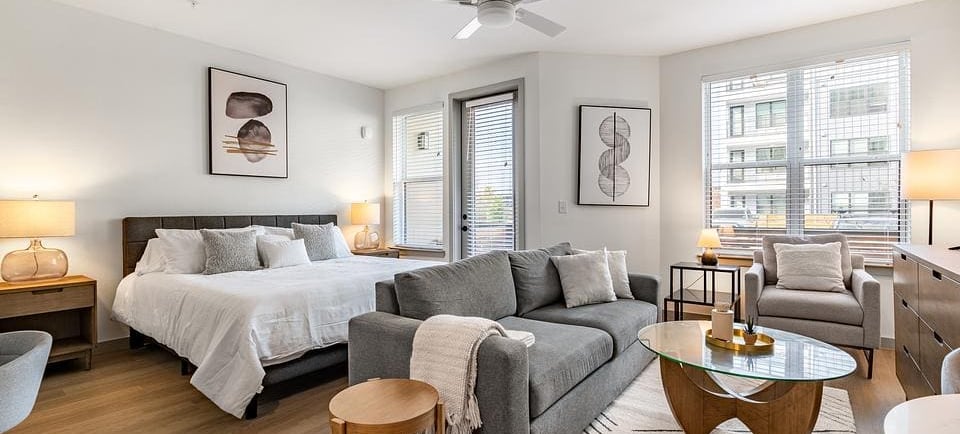
Studio apartments represent a unique living arrangement characterized by their open layout, which seamlessly integrates the living, sleeping, and kitchen areas into one cohesive space. This compact design is particularly appealing to individuals and couples seeking a minimalistic lifestyle, as it fosters a sense of efficiency and simplicity. The primary advantage of residing in a studio apartment is affordability; these units are generally less expensive to rent or purchase compared to larger apartments or homes. This financial benefit makes them an attractive option for students, young professionals, and individuals with a limited budget.
Beyond affordability, living in a studio apartment often leads to lower utility costs. With a smaller space to heat or cool, residents can save on monthly bills, which can be a significant factor for those keen on managing their expenses. Maintenance is also relatively uncomplicated; fewer rooms and less square footage mean cleaning and upkeep are streamlined, allowing residents to enjoy more leisure time without the burden of household chores.
However, there are some drawbacks associated with studio living. The most evident is the limited space; while this can foster creativity in organization, it also poses challenges for those with multiple possessions or in need of separate rooms for various functions. Additionally, the lack of privacy can be a concern, particularly for couples or roommates, as the absence of distinct rooms may lead to feelings of cramped living situations. Storage challenges are commonplace, necessitating innovative solutions to maximize vertical space and make the most of the available area. In summary, understanding the complexities of studio apartments is essential for individuals considering this unique lifestyle, weighing both their benefits and limitations carefully.
Exploring One-Bedroom Apartments
One-bedroom apartments present a compelling option for individuals or couples seeking a balance between space and affordability. One of the clear advantages of this type of dwelling is the distinct separation of living spaces. Unlike studios, where the living area and sleeping quarters often blend into one, a one-bedroom layout provides privacy, which can be crucial for a comfortable living experience. This added privacy can foster a peaceful environment, making it easier to unwind after a busy day.
Additionally, one-bedroom apartments tend to offer better storage solutions than their studio counterparts. With a separate bedroom, residents can maximize storage opportunities and find designated areas for their belongings. This is particularly beneficial for those who appreciate having both functional and decorative items organized, ensuring that personal space remains clutter-free. Consequently, there is typically more flexibility in furniture arrangement, allowing individuals to customize their living environment to their preferences.
However, not all aspects of one-bedroom apartments are advantageous. Rent prices often escalate compared to studios, which may deter budget-conscious individuals or those preferring minimalist living. The additional space and privacy come at a cost, necessitating a careful assessment of one’s financial situation before making a commitment. For some, the allure of simplicity, typified by studio living, is more appealing than the added benefits of a one-bedroom option.
Therefore, when considering a one-bedroom apartment, it is essential to weigh these pros and cons critically. Understanding personal lifestyle needs and financial circumstances will ultimately shape the decision on the most suitable living arrangement.
Advantages and Disadvantages of Two-Bedroom Apartments
Two-bedroom apartments offer a range of benefits that cater to various lifestyles, making them an attractive option for families, roommates, or individuals who need extra room for personal purposes. One primary advantage is the ample space available for furniture and personal belongings, which allows residents to create distinct living areas. With two separate bedrooms, occupants can enjoy privacy, whether it be for family members or housemates. This separation can also facilitate a comfortable work-from-home environment, accommodating a dedicated home office.
Moreover, sharing a two-bedroom apartment can significantly lower living expenses, as the rent and maintenance costs can be divided among the tenants. This arrangement not only makes living more affordable but also fosters a sense of community, as roommates can provide companionship and shared responsibilities. Additionally, these apartments often come with a living room and kitchen area that can be utilized for entertaining guests or pursuing hobbies, enhancing the overall quality of life.
However, there are certain disadvantages associated with two-bedroom apartments that potential residents should carefully consider. The most notable drawback is the higher monthly expenses, which include increased rent and utilities compared to smaller living spaces. For individuals living alone, a two-bedroom apartment may result in underutilization of space. This can lead to a sense of wasted resources, both financially and in terms of physical space. Furthermore, managing relationships between roommates can sometimes introduce challenges, especially if personal habits or lifestyles clash.
In conclusion, two-bedroom apartments offer a balance of space and flexibility that can serve diverse needs. However, individuals should weigh these advantages against the potential for increased costs and the dynamics of shared living before making a decision about their housing situation.
Choosing the Right Apartment for Your Lifestyle
When it comes to selecting the ideal apartment, various factors must be taken into account to ensure that it aligns with individual needs and lifestyle preferences. A primary consideration is budget. The rental price of a studio, one-bedroom, or two-bedroom apartment can vary significantly, affecting what one can afford in terms of space and amenities. Therefore, establishing a clear budget will help narrow down options and prevent overspending, which is particularly important in urban areas where rental prices can be high.
Another crucial factor is the number of occupants. If you live alone or with a partner, a studio or one-bedroom apartment may suffice. However, for families or individuals who frequently host guests, a two-bedroom apartment would provide the necessary space for comfort and privacy. Understanding your typical living arrangement and future plans is vital in making the right choice.
Lifestyle habits play a significant role in determining the appropriate apartment type. For example, those who often entertain might benefit from an open layout commonly found in studio or one-bedroom options, while those who work from home should consider the presence of designated office space or a quiet environment in a two-bedroom apartment. Assessing how your daily activities will fit the space can greatly influence your satisfaction with your living situation.
Lastly, it is invaluable to visit potential apartments in person. By doing so, you can visualize how your belongings will fit into the space, which is a crucial aspect of making an informed decision. Consider aspects such as natural light, storage options, and layout while envisioning your belongings in each apartment. This hands-on approach can enhance your confidence in choosing the right apartment that not only suits your immediate needs but also accommodates any long-term plans you might have.