The Construction Process Explained: A Step-by-Step Guide from Start to Finish
The pre-construction planning phase is one of the most critical steps in the construction process. This phase involves a series of preparatory activities that set the stage for successful project execution. A thorough and well-structured planning process is essential to ensure that all aspects of a construction project are meticulously evaluated, from site selection to final project designs.
CONTRACTSPRIVATE POOLS & AMENITIESAPARTMENT TYPESINVESTMENT PROPERTIESRESORT-STYLE COMMUNITIES
3/31/20264 min read
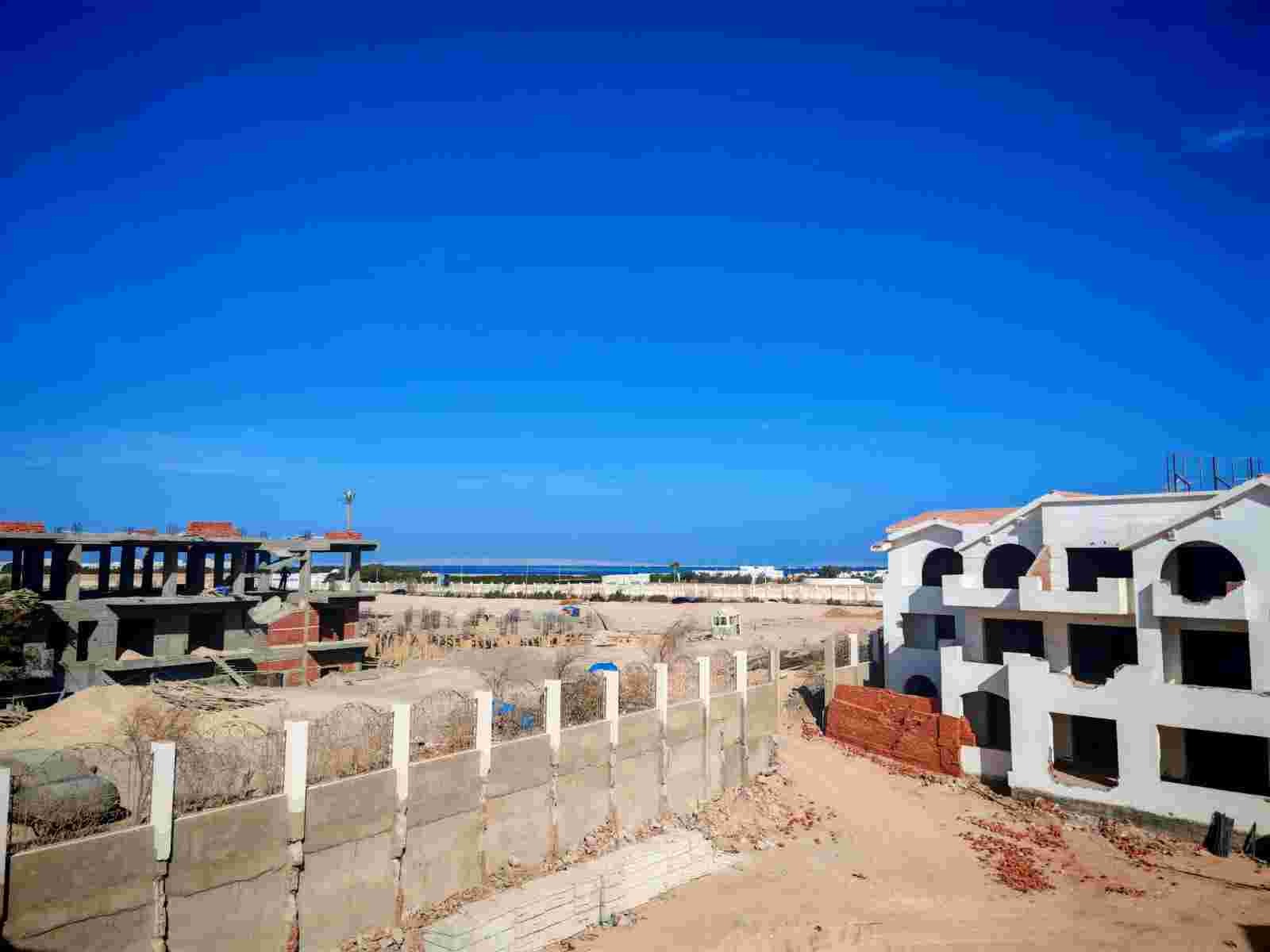
Pre-Construction Planning
The pre-construction planning phase is one of the most critical steps in the construction process. This phase involves a series of preparatory activities that set the stage for successful project execution. A thorough and well-structured planning process is essential to ensure that all aspects of a construction project are meticulously evaluated, from site selection to final project designs.
Initially, site selection is paramount; it involves assessing various locations based on factors such as accessibility, zoning regulations, and environmental impact. Each of these factors plays a crucial role in determining the feasibility of the project. Once a suitable site has been identified, obtaining the necessary permits is the next step. This includes not only building permits but also approvals related to environmental, health, and safety regulations, which can significantly influence the design and timing of the project.
Following these considerations, conducting feasibility studies is essential. These evaluations assess the viability of the project by examining economic, legal, technical, and scheduling constraints. Such studies provide a detailed understanding of potential challenges and help in making informed decisions moving forward. Budget estimation is another vital component, where costs are calculated to establish a financial framework for the project. Accurate estimates help in securing financing and managing the budget throughout the construction process.
Moreover, effective scheduling involves outlining timelines for each phase of the project while considering potential delays. This aspect of pre-construction planning aids in keeping the project on track, ensuring timely completion and adherence to both financial and regulatory commitments. Ultimately, comprehensive pre-construction planning is key to a successful construction project, as it minimizes risks and establishes a solid foundation for the ensuing stages.
Groundwork and Foundation Laying
The groundwork and foundation laying stage is crucial in the construction process, forming the essential base upon which a structure is built. This phase begins with site preparation, which involves clearing the area of any debris, vegetation, and obstacles that may hinder construction. Proper preparation ensures that the site is conducive for excavation and subsequent foundation work.
Excavation follows site preparation and involves digging to the required depth for the foundation. It is important to create a level and stable surface, as this directly affects the integrity of the building. Depending on the type of structure being erected and the soil conditions, various types of foundations may be utilized. Common foundation types include shallow foundations, which are suitable for lighter structures, and deep foundations, designed to support heavier constructions. The choice of foundation plays a significant role in ensuring adequate support and load distribution.
Soil testing is an indispensable part of this stage, as it determines the strength and composition of the soil, informing the type of foundation necessary for the building. Soil tests identify factors such as soil density, bearing capacity, and moisture content, all critical in ensuring reliable stability. A solid foundation is key to preventing future issues like settling or structural failure.
Once excavation is complete, proper techniques for laying the foundation must be employed. This includes pouring concrete, using reinforcements like rebar, and ensuring adequate curing time. Attention to detail during the foundation laying process safeguards against potential risks associated with uneven settling and structural deficiencies.
Structural Framing and Building Envelopes
The structural framing of a building serves as its skeleton, providing support and shape. This critical phase of construction involves the selection of materials such as wood, steel, or concrete. Each material has unique properties that influence the overall performance of the structure. For instance, wood is often favored for its ease of use and cost-effectiveness, whereas steel boasts superior strength and durability, essential for larger or more complex architectural designs.
During this phase, various methods are employed to ensure the integrity of the structural framework. These may include traditional stick framing, where individual members are assembled on-site, or modular construction, where sections are prefabricated in a factory setting before being transported for assembly. The choice of method frequently depends on project scale, budget, and time constraints, highlighting the nuanced approach required in modern construction.
Following the establishment of the framework, attention turns to the building envelope, which includes walls, roofs, and insulation. The building envelope acts as the first line of defense against exterior elements, playing a crucial role in energy efficiency and occupant comfort. High-quality insulation materials are integrated into the walls and roofs to minimize heat loss or gain, enhancing overall energy performance. Additionally, exterior cladding systems such as brick, vinyl, or metal panels serve to protect the structure while contributing to its aesthetic appeal.
As the framing and building envelope installation progresses, ensuring alignment with structural codes and standards is imperative. Proper installation is not only essential for safety but also for long-term performance and integrity of the entire building structure. With a robust framework and an effective building envelope in place, the construction project is well-positioned to advance to subsequent stages, laying the groundwork for a durable finish.
Finishing Touches and Final Inspections
The final stages of the construction process are crucial, as they involve the completion of both interior and exterior work. These finishing touches not only enhance the aesthetic appeal of the building but also ensure that it adheres to the designated standards of quality and safety. Interior work typically includes painting, installing fixtures, and completing flooring, while exterior tasks may encompass landscaping, siding, and roofing. Each task contributes to the overall functionality and appearance of the property.
A meticulous quality control process is vital during this phase to identify any issues that require rectification. Contractors often create a punch list, which is a document detailing any unfinished or problematic items that need addressing before the project can be deemed complete. This list is essential in ensuring that all construction aspects meet the agreed-upon specifications and quality expectations.
Moreover, final inspections play a significant role in the construction completion process. These inspections are conducted by local building authorities and are critical in ensuring that the project meets all applicable safety and building codes. During these inspections, professionals verify aspects such as electrical, plumbing, and structural integrity. Having a passing inspection is a prerequisite for obtaining the final occupancy permit, allowing the property to be legally occupied.
Ultimately, the successful completion of the finishing touches and the passing of final inspections are vital elements in the construction process. They ensure that the building not only meets regulatory requirements but also satisfies the expectations of the owner and future occupants. As such, attention to detail during these final stages can significantly impact the long-term success and usability of the constructed facility.