Real Estate as a Hedge Against Inflation: Protecting Your Money in Egypt 2026
Learn how real estate acts as a hedge against inflation in Egypt. Discover how property values, rental income, and long-term appreciation protect wealth in 2026.
CONTRACTSPRIVATE POOLS & AMENITIESAPARTMENT TYPESINVESTMENT PROPERTIESREAL ESTATE BENEFITS
5/16/20265 min read
Understanding Inflation and Its Impact on Wealth
Inflation, defined as the rate at which the general level of prices for goods and services rises, erodes purchasing power over time. In other words, as inflation increases, the same amount of money effectively buys fewer goods and services. This phenomenon significantly impacts personal wealth, making it crucial for individuals to recognize and address its implications, especially in a fluctuating economic landscape such as Egypt.
Historically, Egypt has experienced varying rates of inflation. Over the past decades, inflation rates have exhibited periods of rapid growth, often influenced by economic reforms, currency devaluation, and global economic factors. For instance, recent years have seen inflation rates peak, leading to heightened costs of living and necessitating a reassessment of financial strategies for many Egyptians. As we project towards 2026, experts predict that inflation could remain a challenge, persisting in the range of moderate to high rates, thereby compounding the urgency for proactive wealth management.
Given the persistent threat of inflation, it is imperative for individuals to seek methods to safeguard their financial stability. Traditional savings instruments, such as cash deposits, often fail to keep pace with inflationary pressures, resulting in wealth depreciation. In contrast, tangible assets like real estate present a viable long-term strategy to preserve and potentially grow wealth. By investing in real estate, individuals may shield their assets from the erosive effects of inflation, benefiting from both property value appreciation and rental income, which can keep up with rising prices.
In essence, mitigating the impact of inflation involves not only an understanding of its mechanisms but also strategic investment choices. By focusing on assets that historically respond favorably to inflationary trends, individuals can better protect their wealth against the devaluation caused by inflation.
Real Estate: A Viable Investment Option Amid Rising Prices
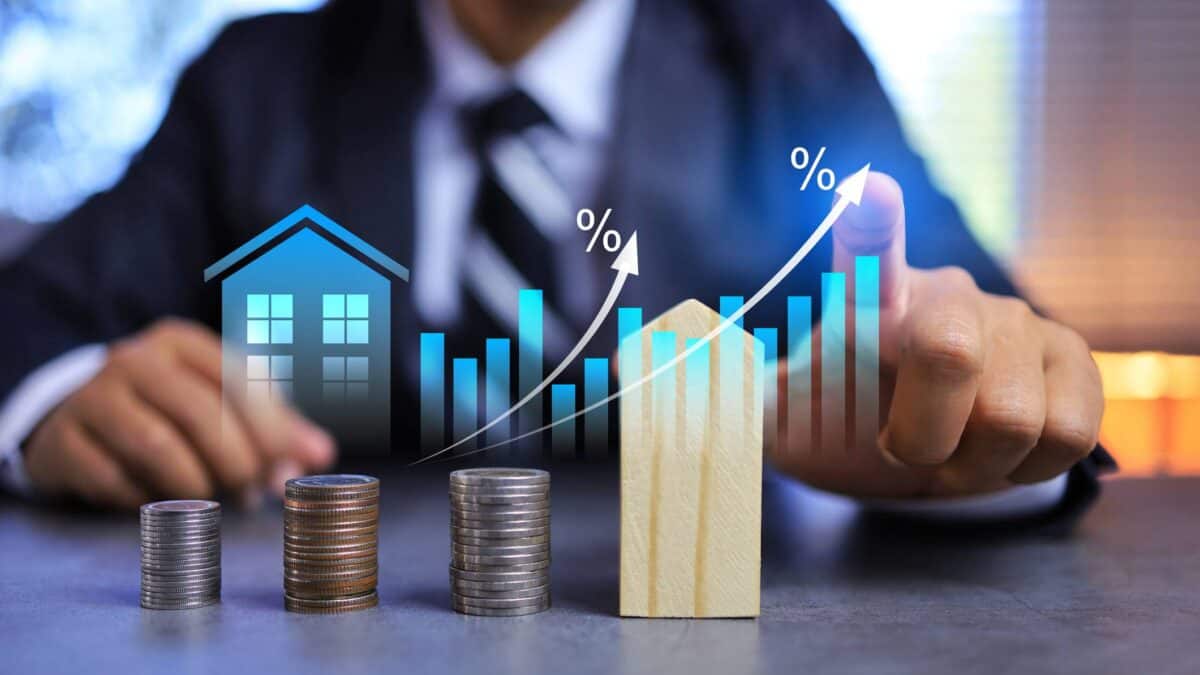
In recent years, particularly in inflationary periods, real estate has emerged as a preferred investment choice. This preference is largely due to the correlation between rising prices and increasing property values. As inflation rises, the cost of goods and services typically escalates, leading to greater demand for housing. Consequently, as demand surges, the value of real estate often appreciates, making it a robust hedge against inflation.
Statistics indicate that in Egypt, the real estate market has shown resilience even in challenging economic conditions. In 2022, for instance, property values witnessed an average increase of 6% amid inflationary pressure, reflecting the intrinsic value of real estate as a stable investment. This trend is expected to continue well into 2026, as rising construction costs and population growth further stimulate demand for housing.
Moreover, real estate investments not only promise capital appreciation but also provide a consistent rental income. The rental market in Egypt remains strong, with many investors benefiting from lucrative returns that typically outpace inflation. It is not uncommon for rental prices to increase annually, effectively protecting landlords' revenue against inflationary erosion.
The historical performance of real estate in Egypt reveals that property values often mirror inflation trends. When inflation spikes, construction costs rise—this, in turn, contributes to heightened property prices. This dynamic establishes real estate as a reliable asset class for investors looking to safeguard their wealth from decreasing purchasing power.
Investing in real estate in Egypt, particularly within expanding urban areas, offers wealth protection while facilitating an opportunity for growth. Ultimately, when market fluctuations arise, the resilience provided by real estate makes it a strategic choice for those looking to preserve and grow their financial assets.
Strategies for Investing in Real Estate in Egypt by 2026
Investing in real estate in Egypt provides a reliable strategy for protecting one’s financial future, especially in an environment of inflation. As potential investors set their sights on the year 2026, several key strategies can help ensure successful real estate ventures.
Firstly, understanding various types of real estate investments is crucial. Investors can consider residential properties, which often provide steady rental income and potential appreciation in value. Alternatively, commercial properties, such as office spaces or retail outlets, might yield higher returns if chosen wisely. Each type of investment has distinct advantages and risks, necessitating thorough market research before making a commitment.
Conducting comprehensive market analysis is a critical step in the investment process. Investors should familiarize themselves with current trends, property values, and the economic climate in Egypt. Utilizing tools like historical data analysis and real estate forecasting can provide insights that guide investment decisions. Additionally, networking with local real estate agents and attending property exhibitions can enhance one’s understanding of the market dynamics.
Financing options are another essential consideration for investors looking to purchase real estate in Egypt by 2026. Traditional mortgages may be available, but exploring other financing avenues, such as private lenders or real estate partnerships, could provide further flexibility. Additionally, assessing one’s financial capacity and evaluating the cost of ownership, including taxes and maintenance, will help in making prudent investment choices.
Lastly, timing plays a pivotal role in the real estate market. Monitoring economic indicators and seasonal trends can lead to advantageous purchase opportunities while avoiding unfavorable market conditions. By strategically aligning investment strategies with these elements, individuals can effectively hedge against inflation and secure their financial future through real estate in Egypt by 2026.
Long-Term Benefits of Real Estate Investment as an Inflation Hedge
Investing in real estate has long been recognized as a viable strategy for protecting one’s wealth against inflation. One of the primary advantages of real estate investment is the generation of consistent cash flow through rental income. As inflation rises, so do rental rates, which can translate into higher income for property owners. This consistent cash flow not only helps to maintain purchasing power but also provides a reliable income stream that can support living expenses or reinvestment.
In addition to cash flow generation, real estate tends to appreciate in value over time. Historically, properties have shown a trajectory of increasing value, even amidst inflationary periods. This price appreciation means that real estate serves as a solid hedge against inflation, allowing investors to safeguard their capital and potentially increase their net worth. With proper management and strategic market positioning, property investments can realize substantial gains that outpace inflation rates.
Furthermore, investing in real estate can offer various tax advantages. Many investors benefit from tax deductions available for mortgage interest, property depreciation, and maintenance expenses. These deductions can significantly reduce taxable income, allowing real estate owners to retain more profit. The ability to defer capital gains taxes through strategies like 1031 exchanges further underscores the attractiveness of real estate in a diversified investment portfolio.
Moreover, diversifying an investment portfolio by including real estate can help mitigate risks associated with other asset classes. It introduces a tangible asset that often behaves differently from stocks and bonds, thereby providing stability in times of economic uncertainty. While all investments carry some level of risk, real estate's intrinsic value and demand remain robust, making it a smart choice for long-term capital preservation.