Hurghada vs Cairo Real Estate Investment: Where Should You Invest in 2026?
Hurghada vs Cairo Real Estate Investment: Where Should You Invest in 2026? compares ROI, property prices, demand, and growth potential to help buyers choose the best real estate investment location in Egypt.
CONTRACTSPRIVATE POOLS & AMENITIESRESORT-STYLE COMMUNITIESINVESTMENT PROPERTIESREAL ESTATE BENEFITS
6/15/20265 min read
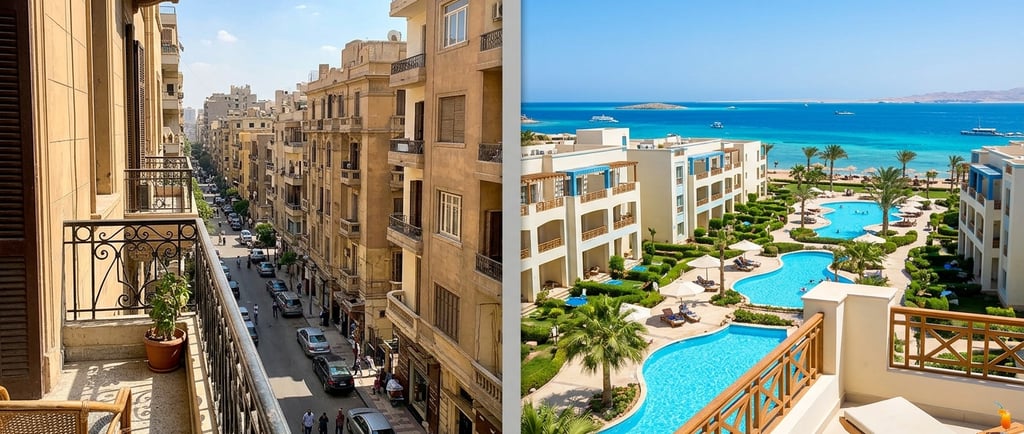
Understanding the Real Estate Landscape in Hurghada
Hurghada, a coastal city on the Red Sea, has seen significant growth in its real estate market over the past few years. This flourishing tourist destination offers a range of property types, including luxurious beachfront villas, modern apartments, and commercial real estate, making it an attractive option for both domestic and foreign investors.
Key neighborhoods in Hurghada, such as El Dahar, Mamsha, and Sakkala, present varying investment opportunities. El Dahar is known for its vibrant local culture and amenities, while Mamsha offers a more upscale lifestyle with exclusive beachfront properties. Sakkala, being the city’s main tourist area, is ideal for those seeking short-term rental income through vacation rentals, capitalizing on the influx of visitors year-round.
Recent market trends in Hurghada indicate a steady increase in property values, attributed to the region's growing popularity as a tourist hotspot. Government initiatives aimed at improving infrastructure, including the expansion of the airport and road networks, are further bolstering this growth. Enhanced accessibility and the establishment of new tourist attractions are expected to attract more expatriates and international buyers, driving up demand for real estate.
Investing in Hurghada allows potential investors to tap into a vibrant rental market, offering diversification for their portfolios. The city's appeal as a tourist destination not only secures high occupancy rates for rental properties but also promises attractive returns on investments. Furthermore, the lifestyle advantages Hurghada offers—ranging from year-round sunshine to a range of recreational activities like scuba diving and cultural excursions—make it an appealing option for long-term residency or vacation homes.
Finally, the ongoing development projects, such as luxury resorts and shopping centers, indicate that the city’s real estate landscape will continue to evolve, ultimately enhancing property values and investment potential for those looking to invest in Hurghada.
An Insight into Cairo's Real Estate Market
The real estate market in Cairo has witnessed significant growth and transformation over recent years, making it a compelling option for investors looking to capitalize in 2026. Various factors play a critical role in shaping this dynamic market, including urbanization, population growth, and substantial infrastructure development.
Cairo, being the capital and one of the largest cities in Africa, offers a diverse range of properties—from luxury villas to affordable apartments. Certain districts within the city, such as New Cairo, Zamalek, and Maadi, are gaining traction among investors due to their strategic locations and the availability of modern amenities. New Cairo, in particular, is notable for its planned communities that cater to both local and expatriate buyers.
When analyzing investment opportunities, it is essential to consider the demand dynamics between commercial and residential properties. While the residential sector has historically been popular, the demand for commercial real estate is on the rise, driven by a burgeoning middle class and an increase in international businesses. Investors are keen to explore options in office spaces and retail outlets, reflecting the city's evolving economic landscape.
The historical appreciation of real estate in Cairo speaks volumes about its potential. Properties in key neighborhoods have shown substantial value increases over time, making long-term investment appealing. This historical resilience is further bolstered by current economic factors, such as government initiatives aimed at boosting investment and improving living conditions.
Major urban development projects, such as the New Administrative Capital, also play a vital role in shaping the future of Cairo's real estate market. These projects not only provide more residential spaces but also enhance infrastructure, making Cairo an increasingly attractive destination for investors. Understanding these trends and opportunities will be crucial for potential investors as they contemplate entering the Cairo real estate market in 2026.
Investment Comparison: Hurghada vs Cairo
When evaluating real estate investment opportunities in Egypt, two prominent locations arise: Hurghada and Cairo. Each offers unique advantages and distinct characteristics that can greatly influence an investor's decision. This section delves into a comprehensive comparison, focusing on key factors such as property prices, rental yields, capital appreciation potential, and occupancy rates.
Beginning with property prices, Hurghada is known for its relatively lower real estate costs compared to Cairo. This affordability makes it an appealing option for first-time investors or those with limited budgets. In contrast, Cairo, being the capital, features a more competitive market with higher prices. However, the potential for capital appreciation in Cairo is often viewed as more significant due to its status as a bustling metropolitan area.
Rental yields also play a crucial role in investment decisions. Hurghada tends to offer higher rental yields, particularly due to its popularity as a tourist destination, which drives short-term rental demand. Conversely, Cairo presents opportunities for longer-term rentals, especially in certain neighborhoods that appeal to expatriates and local professionals. The occupancy rates in Hurghada are generally high during the peak tourist seasons, while Cairo boasts a steadier demand throughout the year.
Additionally, lifestyle factors must be considered. Hurghada's coastal living and recreational activities present an attractive lifestyle, particularly for investors focused on holiday homes. On the other hand, Cairo offers a vibrant urban lifestyle with rich cultural experiences, drawing diverse residents. This cultural aspect can enhance property value over time.
Nonetheless, each location bears its own risks and challenges. Investors in Hurghada may face seasonal fluctuations in demand, while those in Cairo might encounter a more complex regulatory landscape. Expert opinions emphasize the importance of due diligence when selecting a property in either market.
In conclusion, both Hurghada and Cairo possess unique characteristics that can appeal to different types of investors. By weighing property prices, rental yields, lifestyle preferences, and market conditions, potential investors can make informed decisions tailored to their financial goals.
Future Outlook for Real Estate Investment in Egypt
The real estate market in Egypt, particularly in key cities like Hurghada and Cairo, is poised for significant developments as we approach 2026. Investors are increasingly attracted to these regions, drawn by macroeconomic factors such as economic growth, infrastructural improvements, and favorable governmental policies. The Egyptian government has initiated various reforms aimed at stimulating the real estate sector, including tax incentives for both foreign and domestic investors. This proactive approach fosters an environment conducive to real estate investments.
As Egypt's economy continues to stabilize, the demand for residential and commercial properties is expected to rise, especially in urban areas like Cairo. The increasing population and urbanization trends indicate a growing need for affordable housing, thereby presenting lucrative opportunities for real estate developers and investors. In addition, Hurghada’s appeal as a tourist destination remains strong, with an ongoing influx of international tourists. This trend is likely to bolster demand for vacation rentals and hospitality properties in the coming years.
Furthermore, global economic conditions play a crucial role in shaping the future of real estate investments in Egypt. Factors such as inflation rates, global market trends, and regional geopolitical stability will influence investor confidence. For instance, any signs of stability in the Middle East may encourage more investments in Egyptian real estate, while fluctuations in global markets can either heighten or deter investment interest.
Tourism trends also warrant consideration, as Egypt's cultural heritage and natural beauty continue to attract visitors. A robust tourism industry typically leads to increased demand for tourism-related properties. Therefore, investors should carefully analyze these macro factors while strategizing for 2026 and beyond. Overall, the outlook for real estate investment in Egypt is optimistic, provided that investors remain vigilant and adaptable to changing market dynamics.