Hurghada Property Investment in 2026: A Practical Guide to Returns, Risks, and Market Potential
Explore Hurghada property investment in 2026, including potential returns, key risks, market trends, rental demand, and factors to consider before investing.
3 BEDROOM APARTMENTSCONTRACTSPRIVATE POOLS & AMENITIESAPARTMENT TYPESINVESTMENT PROPERTIESRESORT-STYLE COMMUNITIESREAL ESTATE BENEFITSCONDO
10/3/20265 min read
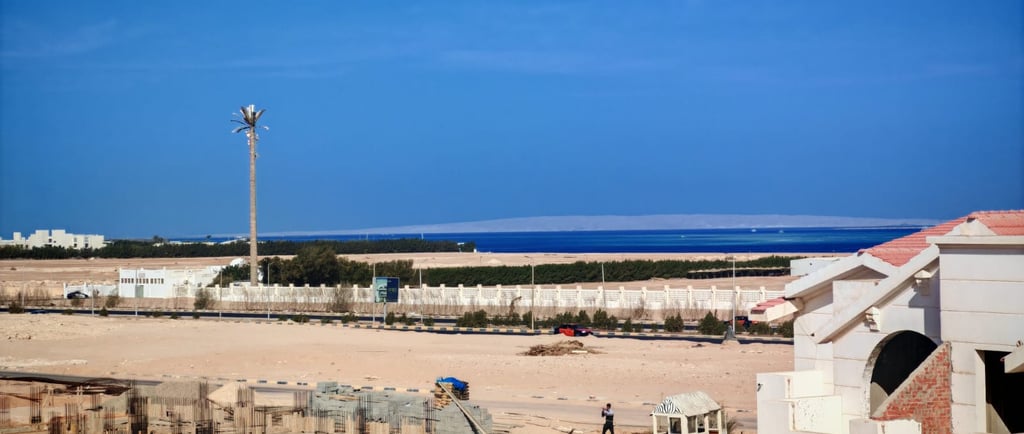
Hurghada Property Investment in 2026: A Practical Guide to Returns, Risks, and Market Potential
Hurghada is entering 2026 as both an established Red Sea tourism destination and an increasingly visible property market. Its appeal is supported by year-round sunshine, coastal amenities, diving and leisure activities, and continued interest from international visitors. Resort expansion, improvements to roads and public services, and stronger airport connectivity can support tourism volumes and create demand for accommodation.
The city also attracts foreign buyers seeking a holiday base, a retirement property, or an apartment that can generate rental income. These conditions help explain why investors are examining Hurghada beyond its traditional role as a seasonal resort.
However, the central investment question is not simply whether local prices will rise. A property must be assessed according to the return it can deliver after purchase costs, taxes, service charges, maintenance, furnishing, insurance, vacancy periods, currency movements, and professional management.
Rental performance may differ substantially between a well-positioned unit near the beach and an apartment in a less accessible development. Construction quality, developer reputation, legal documentation, facilities, and the ability to market the property to international guests can be as important as the headline price.
1. Understand Hurghada’s Property Market and Investment Demand
The market includes several distinct property categories, each suited to different objectives.
Resort apartments may offer relatively accessible entry prices and holiday-letting potential, while beachfront units can command stronger rates but usually involve higher acquisition and maintenance costs.
Villas may appeal to families and long-stay visitors, although they require greater capital and upkeep. Hotel residences can provide managed services and a recognizable hospitality brand, but their fee structures and usage restrictions need careful review.
Commercial spaces may benefit from local activity and tourism demand, yet occupancy and tenant risk can be more difficult to predict.
The analysis should therefore consider several key factors, including demand, location, pricing, costs, rental income, legal considerations, and risk. These factors should always be applied at neighborhood and development level, because conditions can vary sharply across Hurghada even within the same property category.
2. Choose the Right Location for Your Investment Strategy
Location is one of the strongest determinants of property investment performance in Hurghada. It influences who is likely to rent the property, how long guests stay, the achievable nightly rate, and how easily the unit can be resold.
A well-designed apartment in a high-demand area may produce more reliable income than a larger, less expensive property in a remote development with limited services.
El Mamsha and Central Hurghada
Established areas offer different investment profiles.
El Mamsha benefits from restaurants, shops, pedestrian activity, entertainment, and relatively convenient access to the airport, making it attractive to holidaymakers, long-term residents, and digital nomads.
Central Hurghada provides local services, transport links, shopping, and demand from Egyptian tenants and workers, although individual streets may vary considerably in quality and tourist appeal.
Sahl Hasheesh, Makadi Bay, and Soma Bay
Sahl Hasheesh, Makadi Bay, and Soma Bay generally offer beach access, resort facilities, marinas, diving opportunities, and managed communities.
These zones can appeal strongly to short-term holiday guests, retirees, and lifestyle buyers, but their performance may depend more heavily on the quality of on-site amenities and transport connections.
Match the Location to the Tenant
Investors should match the location to the intended tenant.
A holiday apartment needs attractive beaches, restaurants, entertainment, excursions, and convenient airport transfers.
A long-term rental may benefit more from supermarkets, schools, healthcare, public transport, and employment centers.
Retirees often prioritize quiet surroundings, security, medical access, and walkable services, while digital nomads may look for dependable internet, cafés, and transport.
Proximity to marinas, diving centers, shopping districts, and major roads can support both occupancy and future resale value.
3. Evaluate Rental Demand and Seasonality
Tourism seasonality must be examined before making financial assumptions.
Review average nightly rates, competing listings, historical occupancy patterns, and demand during quieter months. Compare similar units by size, furnishing, view, facilities, and management quality rather than relying on headline figures.
The developer’s rental program should also be checked carefully, including:
Commissions
Maintenance charges
Owner-use restrictions
Marketing arrangements
Whether returns are guaranteed or merely projected
A lower purchase price cannot compensate for weak year-round demand, limited access, or insufficient local services.
Conversely, a more expensive unit in a proven location may provide stronger occupancy, steadier cash flow, and better resale prospects.
4. Calculate the Full Property Purchase Cost
The advertised purchase price is only the starting point when assessing a Hurghada property investment.
Prepare a complete budget that includes:
Registration and transfer charges
Legal fees
Agency commission
Furnishing
Utility connections
Recurring service charges
Homeowners’ association fees
Insurance
Property management
Maintenance
Potential renovation costs
Clarify whether taxes, developer administration fees, meters, and connection deposits are included in the quoted price.
A property that appears affordable can have a substantially higher total cost once these items are added.
Review Financing and Payment Plans
Financing arrangements also affect the investment’s real cost.
Compare available bank lending, interest rates, currency requirements, down payments, payment plans, and installment schedules rather than focusing only on the monthly amount.
Confirm penalties for late payments, early settlement, or cancellation.
Foreign investors should also model exposure to movements between the Egyptian pound and their income currency.
Exchange-rate changes may reduce the value of rental income, increase the effective price of future installments, or alter expected resale proceeds.
5. Complete Legal and Property Due Diligence
Before signing, verify the title documents, the seller’s authority, the developer’s authorization, underlying land ownership, building permits, and the project’s completion status.
Where applicable, establish how escrow arrangements or other payment protections operate.
The sale contract should state the exact unit, specifications, completion date, delivery obligations, payment timetable, fees, remedies for delay, cancellation rights, and restrictions on resale or leasing.
Do not rely exclusively on statements made by a developer’s representative or broker.
Considerations for Foreign Buyers
Foreign buyers should investigate permitted ownership structures, registration procedures, inheritance planning, residency implications, and any limits affecting location, property type, resale, or rental use.
Legal documents should be professionally translated into a language the buyer fully understands, with no informal amendments accepted without review.
An independent Egyptian property lawyer should conduct searches, confirm compliance, explain the contract, and coordinate registration.
Independent financial and tax advice may also be appropriate, particularly when ownership involves a company, overseas funding, or multiple heirs.
Completing these checks before paying a non-refundable deposit helps reveal hidden liabilities and supports a more realistic return calculation.
6. Calculate Realistic Rental Returns and Cash Flow
Evaluate a Hurghada property through realistic cash-flow assumptions rather than advertised returns.
Gross rental yield is annual rent divided by the purchase price, but net yield reflects the income that remains after:
Vacancy
Booking-platform commissions
Cleaning
Utilities
Furnishing replacement
Repairs
Management fees
Service charges
Taxes
Periods when the owner occupies the unit
Acquisition costs, including registration, legal work, furnishing, and transaction charges, should also be included in the calculation.
A property showing an attractive gross yield may produce a much lower net result once these expenses are deducted.
Build Different Investment Scenarios
Prepare conservative, base-case, and optimistic scenarios.
Vary occupancy rates, nightly or monthly rental prices, maintenance costs, resale values, and currency conditions rather than relying on one forecast.
Test the effect of:
Several vacant months
Weaker tourism demand
Higher management fees
Inflation
Exchange-rate movements
Resale assumptions should be especially cautious because a paper gain does not guarantee a liquid market or a fast sale.
Comparing projected income with the investor’s preferred currency can also reveal whether exchange-rate changes could materially reduce returns.
7. Assess Risks, Exit Options, and Long-Term Potential
Key risks include oversupply in particular resort developments, construction delays, inconsistent property management, limited resale liquidity, changing tourism patterns, regulatory changes, and environmental pressures.
Dependence on international visitors can expose owners to airline disruption, economic downturns, and geopolitical events.
Before purchasing, assess:
Developer reputation
Construction quality
Delivered amenities
Service standards
Sinking funds
Community management
Realistic exit options
For an off-plan purchase, examine delivery protections, payment schedules, specifications, and the developer’s record.
A ready-to-rent unit may offer earlier income and clearer inspection evidence, although it can have less flexibility or higher upfront pricing.
How to Evaluate a Hurghada Property Investment
Use a practical decision framework:
Define the investment objective.
Inspect the location and property.
Verify ownership and legal status.
Calculate total acquisition and operating costs.
Review realistic rental income and occupancy assumptions.
Assess the developer, building, and management quality.
Obtain independent legal, tax, and financial advice.
Proceed only when conservative projected returns align with personal risk tolerance and available liquidity.
Hurghada real estate may suit investors seeking lifestyle benefits, rental income, and long-term exposure to tourism growth, but it is neither guaranteed nor risk-free.
The most useful approach is to evaluate each property at the specific development and neighborhood level, rather than assuming that all Hurghada properties will perform in the same way.