Reimagining Real Estate: Crafting Lifestyles Beyond Walls
The realm of real estate has undergone a significant transformation over the decades. Initially, the sector predominantly focused on the physical attributes of properties, such as location, square footage, and architectural styles. However, in recent years, there has been a gradual but profound shift towards prioritizing lifestyles rather than just properties. This evolution is heavily influenced by various factors, including urbanization, shifting consumer preferences, and advancements in technology
Reimagining Real Estate: Crafting Lifestyles Beyond Walls
4/18/20265 min read

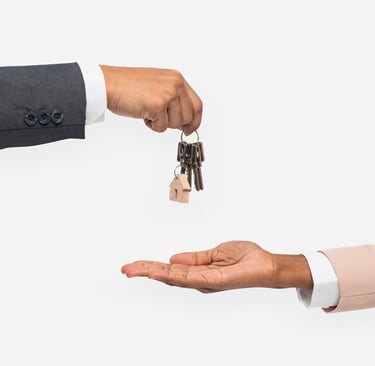
The Evolution of Real Estate: From Properties to Lifestyles
The realm of real estate has undergone a significant transformation over the decades. Initially, the sector predominantly focused on the physical attributes of properties, such as location, square footage, and architectural styles. However, in recent years, there has been a gradual but profound shift towards prioritizing lifestyles rather than just properties. This evolution is heavily influenced by various factors, including urbanization, shifting consumer preferences, and advancements in technology.
Urbanization has played a critical role in this transition. As more individuals flock to cities in search of employment and educational opportunities, the demand for homes that offer not just basic shelter but enriching experiences has surged. Urban dwellers are increasingly seeking neighborhoods that provide access to amenities such as parks, shopping districts, and cultural venues. This change signifies a growing preference for vibrant communities that enhance quality of life rather than merely offering a living space.
Additionally, consumer preferences have evolved, with a greater emphasis on lifestyle choices. The contemporary buyer is no longer just looking for a place to live; they are interested in how a property aligns with their values, including sustainability and community engagement. Properties that offer features such as eco-friendly designs, smart home technology, and shared communal spaces are becoming highly sought after, as they cater to a holistic lifestyle focused on sustainability and connectivity.
Technological advancements have further influenced this evolution in real estate. The proliferation of digital platforms allows buyers to explore properties online, often accompanied by virtual tours that showcase the lifestyle an area can offer. These innovations have enabled real estate developers and agents to market not just the physical attributes of homes but also the lifestyles associated with them. Consequently, the promotion of properties now encompasses a broader narrative, emphasizing the overall living experience rather than just the walls that enclose it.
The Role of Design in Modern Living Spaces
In the contemporary real estate landscape, the importance of architectural and interior design cannot be overstated. These elements play a pivotal role in shaping not only the physical space but also the lifestyle of its occupants. Modern living spaces are more than mere shelters; they are environments that influence well-being, productivity, and overall quality of life.
Comfort is one of the primary goals of design in modern homes. Thoughtful layout and the selection of suitable materials can create areas that promote relaxation and efficient use of space. For instance, open floor plans allow for better flow between rooms and enhance social interactions among family members. The careful incorporation of natural light through strategically placed windows and skylights contributes to a sense of tranquility and enhances mood, making everyday living more enjoyable.
Elegance in design does not merely denote aesthetics; it signifies a harmonious blend of style and functionality. Effective interior design prioritizes visual appeal while ensuring that furniture and decor maintain the utility of spaces. Elements such as curated art pieces, cozy seating arrangements, and textured surfaces add layers of sophistication to environments without sacrificing ease of movement or accessibility. Designers focus on creating spaces that reflect personal tastes while accommodating the practical needs of users.
Functionality is another essential aspect of modern living spaces. Multifunctional furniture, innovative storage solutions, and adaptable layouts are increasingly favored, particularly in urban settings where space is at a premium. Such designs allow residents to maximize their living experiences, enabling them to enjoy hobbies, entertain guests, or simply unwind within the confines of their homes.
Ultimately, the role of design extends far beyond aesthetics. It is a vital contributor to the crafting of meaningful lifestyles that resonate on emotional and practical levels, affecting daily experiences and enhancing overall well-being.
Community Connection: The Heart of Modern Living
The concept of community is increasingly recognized as a crucial aspect of real estate developments, embodying the essence of modern living. In today's dynamic urban environments, the integration of mixed-use spaces has emerged as an effective strategy to promote community engagement. Mixed-use developments combine residential, commercial, and recreational facilities, creating vibrant locales where residents can live, work, and play without having to travel far from home. This approach not only enhances convenience but also fosters a sense of belonging among residents.
Shared amenities represent another significant facet of community connection in real estate. Facilities such as parks, community gardens, fitness centers, and co-working spaces are designed to encourage interaction among residents. These shared spaces serve as social nuclei where individuals can gather, participate in activities, and cultivate relationships. The presence of such amenities helps break down barriers between residents, promoting a lifestyle that thrives on collaboration and mutual support.
Inclusive design is also vital for fostering a community atmosphere, ensuring that spaces cater to diverse needs and demographics. Thoughtfully designed environments that consider accessibility, cultural differences, and age inclusivity enable all residents to engage fully with their surroundings. This inclusivity not only enhances the overall aesthetic of the community but also strengthens social ties by ensuring that everyone can enjoy the benefits of communal living.
Ultimately, the emphasis on community connections within real estate developments speaks to a broader trend towards holistic living. By prioritizing social interaction and building relationships, current real estate practices are redefining the traditional view of home spaces. These developments not only provide shelter but also nurture a sense of belonging and community, cultivating lifestyles that extend well beyond the confines of walls.
The Future of Real Estate: Trends Shaping Lifestyles
The real estate landscape is undergoing a significant transformation influenced by various emerging trends that are redefining lifestyles within modern developments. Central to this evolution is the growing emphasis on sustainability, which is shaping not only the types of buildings constructed but also how communities are designed. Eco-friendly materials, energy-efficient systems, and sustainable landscaping are becoming standard expectations rather than niche options, as developers integrate these features to meet the demand of environmentally conscious consumers.
In parallel with sustainability, the rise of smart home technology is another pivotal trend affecting modern living. Homes equipped with advanced automation systems enhance convenience, security, and energy efficiency. Consumers can remotely control lighting, heating, and security systems, providing a personalized living experience. This integration of technology into residential and commercial properties not only improves daily life but also appeals to tech-savvy buyers who prioritize connectivity and innovation in their living environments.
Moreover, the concept of experiential living is gaining traction, focusing on creating communities that offer more than just a place to live. Developments are increasingly designed to provide residents with exceptional experiences through shared amenities, public spaces, and engaging community activities. Features such as outdoor communal areas, fitness centers, art installations, and local markets encourage interaction among residents, fostering a sense of connection and enhancing the overall quality of life.
These trends highlight a shift in perspective on what real estate means in the modern context. As sustainability, smart technology, and experiential living reshape the expectations of homebuyers and renters alike, the future ofreal estate will increasingly reflect the needs and desires of those looking to create meaningful lifestyles beyond physical walls. The integration of these elements is poised to set new standards, creating spaces that are not just places to reside but vibrant ecosystems that enhance well-being and foster community.